Keynote Speakers
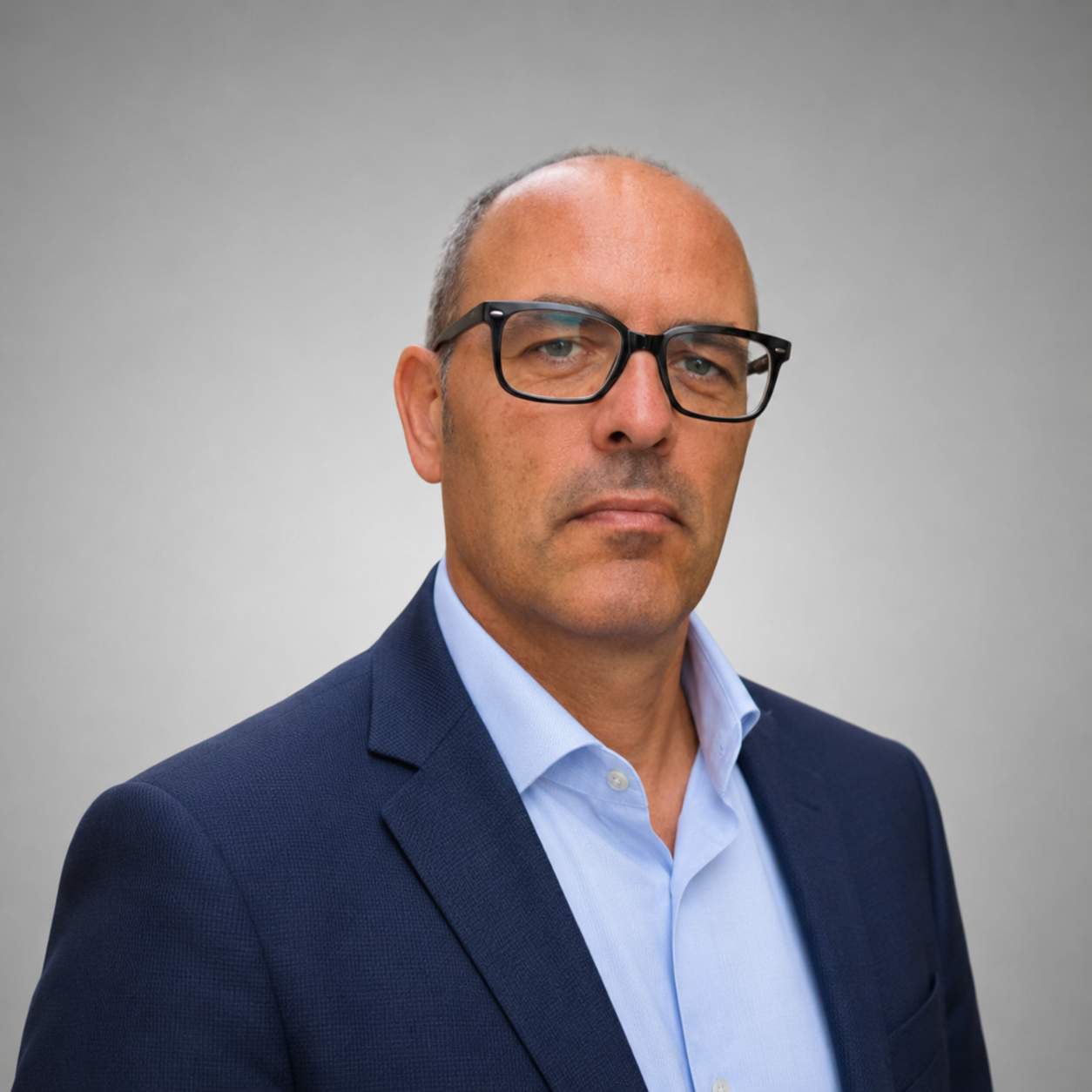
Prof. Giuseppe Santarsiero
Associate Professor, University of Basilicata - Director, HAIRI Lab (Human-driven Artificial Intelligence for Resilient Infrastructure)
Giuseppe Santarsiero is Associate Professor of Structural Engineering at the University of Basilicata, Italy, where he teaches Bridge Engineering and conducts research in structural engineering, with a focus on bridges, existing infrastructure, seismic safety, and durability. He is the Director of the HAIRI Laboratory, dedicated to developing artificial intelligence solutions for the management and resilience of civil infrastructure. His research activity has resulted in more than 100 scientific publications in national and international journals and conference proceedings. In recent years, his work has increasingly focused on the application of Artificial Intelligence and Computer Vision to bridge inspection and infrastructure assessment, including automated structural component classification, defect detection, and digital inspection procedures. Prof. Santarsiero is Principal Investigator of the University of Basilicata Research Unit within the Horizon Europe REHOUSE project and has coordinated or participated in numerous national and international research initiatives on infrastructure safety, vulnerability assessment, sustainability, and structural resilience. He serves on the faculty boards of national and local PhD programs and actively supervises PhD candidates and postdoctoral researchers. He is a frequent speaker at national and international conferences, promoting the integration of human expertise and artificial intelligence for the future of resilient infrastructure.
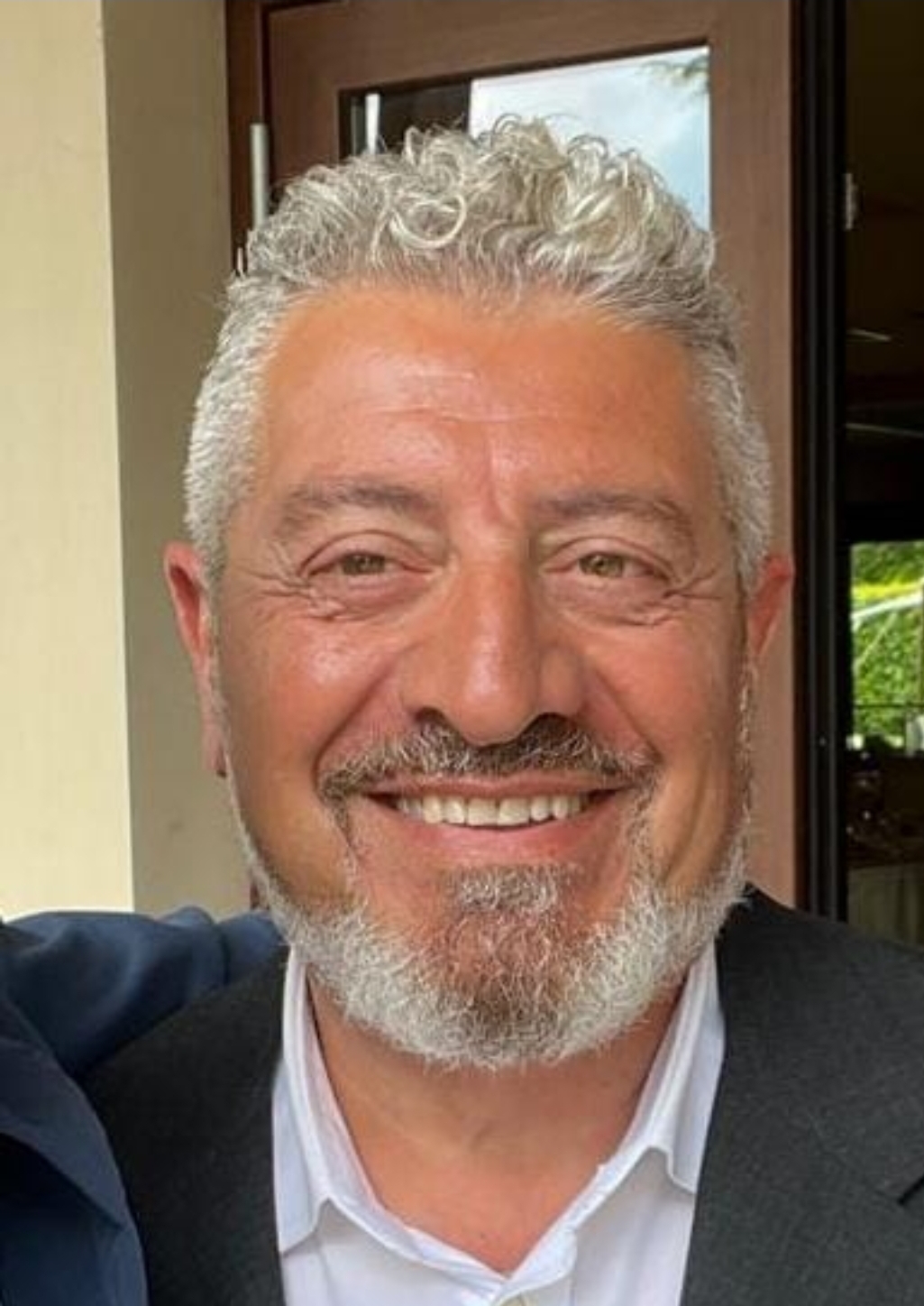
Prof. Michele Greco
Associate Professor, University of Basilicata, Italy
Prof. Michele Greco is Associate Professor at the University of Basilicata, where he works in the fields of hydraulics, fluid mechanics, maritime engineering and river-network hydraulics. Since 2019 he has served as Pro-Rector for Internationalisation, and since 2025 as Coordinator of the Master programme DETECT - Decarbonisation and Ecological Transition for Circularity and Territories. He holds a degree in Civil Engineering with a focus on soil defence and territorial planning from the University of Basilicata and a PhD in Hydrodynamics, with advanced research training in fluid mechanics, transport processes and hydraulic modelling. His scientific profile combines theoretical hydrodynamics, applied hydraulics, coastal and river morphodynamics, water-resource management, environmental monitoring, risk analysis and decision-support systems. His Scopus-indexed scientific production includes 40 documents, 484 citations by 385 documents, and an h-index of 14. His research activity has addressed open-channel flows, sediment transport, coastal vulnerability, river-basin planning, hydrological and hydraulic modelling, environmental risk, digital monitoring systems, GIS-based analysis and climate-adaptation strategies. Prof. Greco has coordinated or contributed to several national and international scientific and technical projects. His professional profile includes extensive experience in environmental governance, coastal-zone management, water planning, civil protection, industrial and environmental risk, and science-based support to public administrations. He has served as Scientific Director and President of the Scientific Committee of the Regional Environmental Observatory Foundation of Basilicata, as expert consultant for the European Parliament STOA framework, and as scientific coordinator for water-protection and coastal-management planning in Basilicata. He has also held responsibilities in European cooperation and environmental capacity-building projects, including work on the Water Framework Directive in Poland, Earth observation and GIS-based environmental applications, and Mediterranean cooperation on water and territorial development. His current scientific interests are oriented toward water resilience, climate adaptation, digital twins for environmental and hydraulic systems, sustainable coastal and inland planning, territorial risk governance, blue economy, and the integration of environmental monitoring with decision-support tools.

Prof. Angelo MASI
Dept. of Engineering, University of Basilicata, ITALY
Prof. Angelo Masi is Full Professor in the Department of Engineering at the University of Basilicata, Italy. His research focuses on Structural and Seismic Engineering, with more than 300 publications in international journals and conference proceedings. He has an H-index of 37 in Scopus and 44 in Google Scholar and has been included in Stanford University's World's Top 2% Scientists ranking since 2020.Prof. Masi serves as Vice Rector for Research and Technology Transfer at the University of Basilicata and is the Italian National Expert Representative in the Horizon Europe Programme Committee, Cluster 3 - Civil Security for Society. He is also a member of the Executive Board of the ReLUIS Consortium and contributes to several national initiatives on seismic risk, structural safety and resilience.He has coordinated numerous national and international research projects, including the MARS - Seismic Risk Maps project involving around 50 research units and more than 100 researchers. He has also served on scientific and organising committees of several major international conferences in seismic risk and structural engineering, including the World Conferences on Earthquake Engineering. His expertise and leadership have made significant contributions to seismic risk assessment, structural resilience and earthquake engineering.
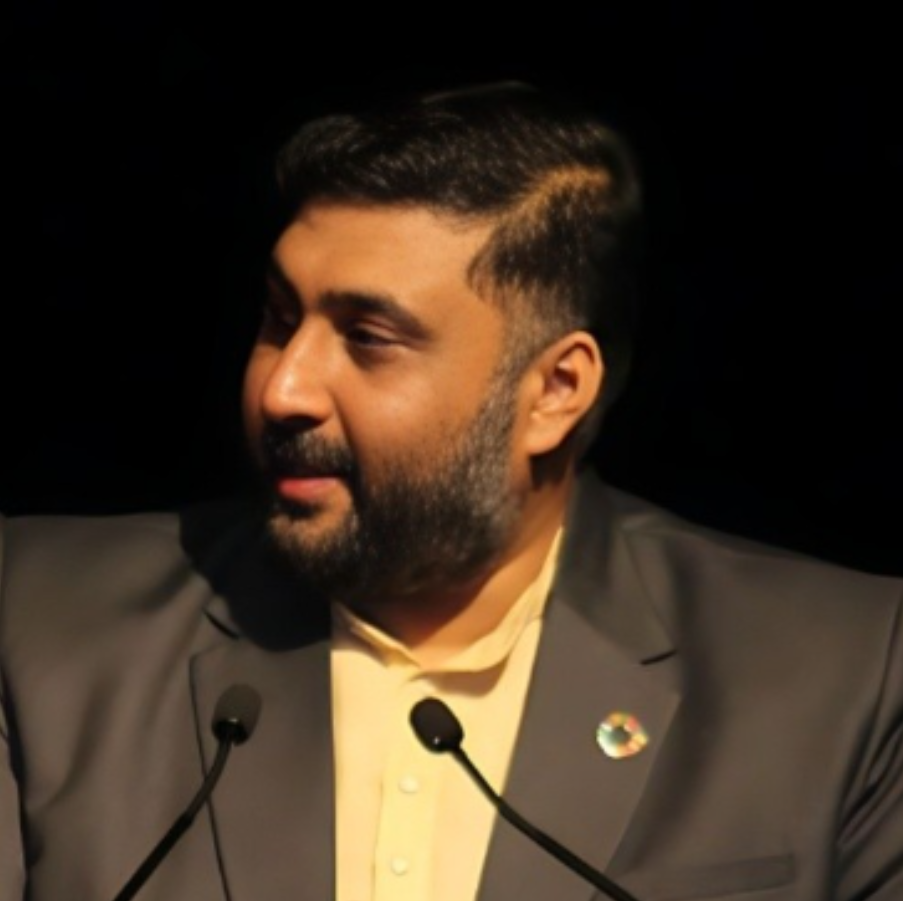
Dr. Chengappa Munjandira
Senior Technologist, Hewlett Packard; Academic Senate Member - VTU; Chair Elect, IEEE Bangalore Section
Dr. Chengappa Munjandira is a dedicated technologist with nearly fifteen years of experience in the telecommunications industry, specializing in advanced network architectures and innovation. His expertise spans the design and deployment of NFV and virtualized RAN systems, including Telco Core, vEPC, and vIMS, with deep technical proficiency in Open RAN, AI/ML, and cloud- native solutions. Dr. Chengappa has played a key role in pioneering 5G Open RAN deployments and vDU integrations, architecting scalable and efficient systems that have driven latency reduction and enabled a diverse range of real-world applications. His work has involved developing long-term technology strategies, evaluating vendor ecosystems, and leveraging NFV technologies such as DPDK, OVS-DPDK, SR-IOV, and PCI-PT, while also actively contributing to open-source communities. He holds a Ph.D. in Virtualization and Cloud Computing from Visvesvaraya Technological University, an M.Phil. in Computer Science from Christ University, and has completed an advanced program on Space Technologies at the Indian Institute of Science (IISc).
In IEEE, Dr. Chengappa has served as Vice Chair of the IEEE Bangalore Section (2024–2025), where he strengthened faculty engagement, expanded technical activities, and supported subsections across Mysore, Mangalore, and North Karnataka. He has been instrumental in leading several major conferences, including CONECCT 2025, BHTC 2025, BTC 2023–2024. As Vice Chair for Industry Relations at the IEEE India Council (2025), he has been driving the "Industry for IEEE, IEEE for Industry" initiative, Previously, as Secretary of the IEEE Bangalore Section (2022–2023), he strengthened governance and transparency, building on his earlier roles as Lead for Membership Development (2021) and Professional Activities (2020). His leadership as SIGHT Chair (2024) saw the conceptualization of SustainFiesta, an initiative encouraging student innovation aligned with the UN Sustainable Development Goals. Dr. Chengappa continues to lead IEEE MOVE India as its Technical Lead, spearheading India's first MOVE vehicle for disaster relief and STEM outreach, while also co-leading the IEEE Catalyst Mid- Manager Program bridging academia and industry
Dr. Steven L. Fernandes
Creighton University, USA
Steven Fernandes began his postdoctoral research at the University of Alabama at Birmingham, where he worked on projects funded by the National Institutes of Health (NIH). He later conducted postdoctoral research at the University of Central Florida, contributing to projects funded by the Defense Advanced Research Projects Agency (DARPA), the National Science Foundation (NSF), and Royal Bank of Canada (RBC). His current research focuses on developing robust computer vision applications using deep learning and advancing computer-aided diagnosis through medical image processing.